Decorating Floating Shelves for Christmas Without Exceeding Their Weight Limit
October 08, 2026 - Home Decor
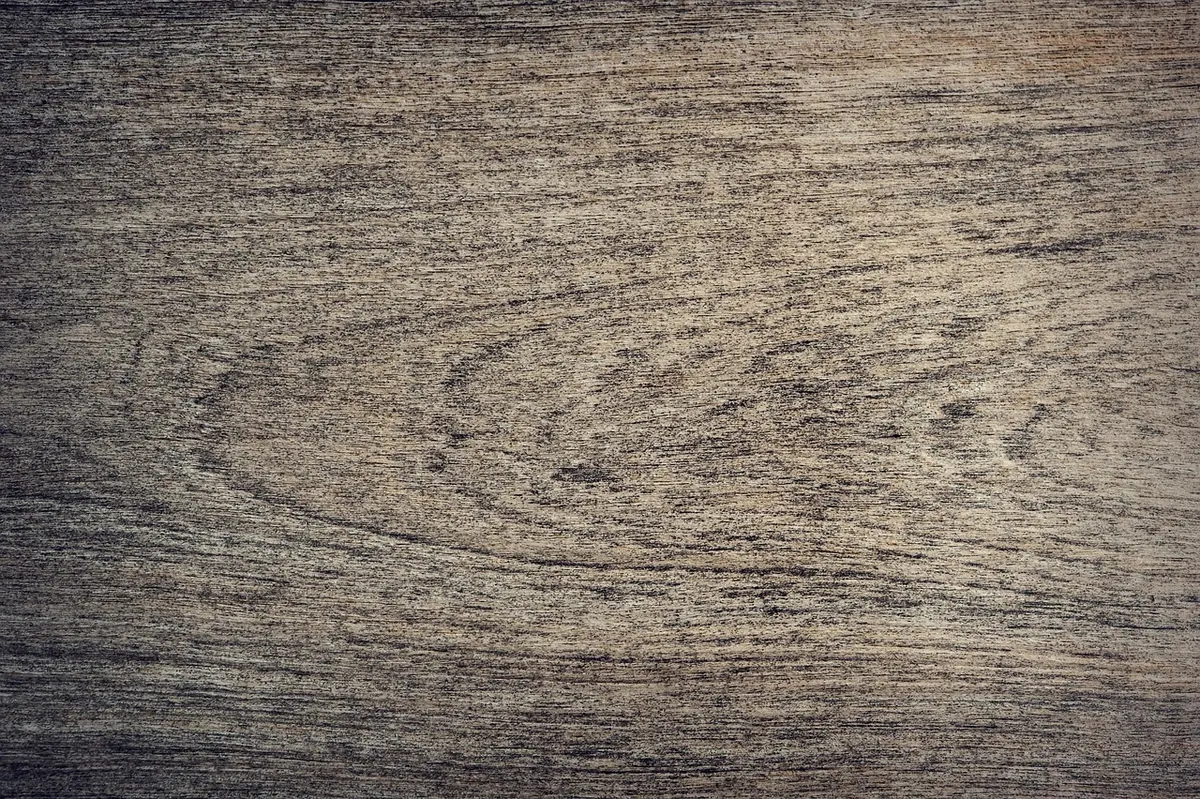
Four boards, one shelf, four very different outcomes. MDF, pine, oak and birch ply all cut to the same length, all take a bracket screw, and all look convincing in the shop. Put them in the wrong room, though, and the differences show up quickly: a shelf bowing under cookbooks, a swollen edge beside a shower, pine resin weeping through fresh paint. The material should follow from three questions — what the shelf will hold, how damp the room gets, and how you want it to look.
Almost every shelf that gives up does so in the middle, sagging slowly under a load it was never stiff enough to carry. Strength matters less than stiffness, and that is where the four materials separate.
MDF is dense, uniform and heavy, but it has no grain running along the shelf to resist bending. An 18mm MDF board looks chunky and feels solid, yet over a long span it will creep downwards under books and never spring back. It does have one advantage: no grain means no weak spots, so it behaves predictably.
Solid oak is the stiffest of the four at any given thickness. A 25mm oak shelf will carry a serious row of hardbacks without complaint. It is also heavy, expensive, and moves slightly with the seasons, so it needs a little room to expand at each end.
Birch ply is the quiet overachiever. Its plies are glued at right angles to one another, which gives it excellent stiffness for its weight and makes it far more stable than solid timber. Screws hold well through the face; the exposed edges show a striped pattern that some people love and others hide with a wooden lipping.
Pine sits in the middle. It is light and easy to work, but knots and wandering grain create weak points, and thin boards can twist as they dry.
As a rough guide, an 18mm shelf carrying books wants a bracket or support every 600–700mm. Longer runs need 25mm board, a centre support, or a stiffening batten fixed along the front or back edge.
If a room gets steamy, the shortlist changes. MDF is the one material to keep away from direct moisture. Its fibres are bonded with resin, and when water reaches a cut edge the board swells, the edge crumbles and the paint film cracks. It does not dry back to its original shape.
There is no drying out of a swollen MDF edge. Once it has gone, it has gone.
Birch ply copes far better, especially exterior-grade boards bonded with water-resistant glue, though the faces and edges still need sealing. Solid oak and pine tolerate splashes, but both swell and shrink with humidity, so leave a small gap where they meet a wall rather than wedging them tight. Pine knots can also bleed resin in warm, damp conditions, which stains paint.
Practical protection goes a long way: seal every cut edge, run a bead of silicone where the shelf meets a tiled wall, and use stainless or plated fixings so damp air does not leave rust marks on the surface.
MDF is the cheapest of the four, pine sits just above it, birch ply costs more because of the gluing and layering, and solid oak is the premium option — often several times the price of MDF for the same shelf. Whether that gap is worth it depends entirely on how visible the shelf will be.
MDF takes paint beautifully and gives a smooth, grain-free finish that suits alcove shelving and built-in cupboards. The catch is preparation. Sand the faces lightly, seal the cut edges with a sanding sealer or watered-down PVA, then use a primer and two topcoats. Skip the edge sealing and the fuzzy, thirsty edges will show through the paint. Wear a dust mask when cutting — the fine dust is unpleasant to breathe.
These are usually finished with oil, wax or a clear lacquer rather than paint. Oak darkens attractively over time but reacts with bare iron and steel fixings, leaving black stains around screw heads, so choose plated or stainless screws. Pine needs a knotting solution before painting, otherwise resin will creep through the topcoat within weeks.
Open shelving near a sink, hob or kettle is the harshest spot in the house. Use exterior-grade birch ply or solid oak, seal it well, and keep it out of the direct splash zone. MDF is fine for cupboard interiors and shelves on dry walls, and melamine-faced MDF wipes clean easily and takes greasy kitchen air without much fuss.
Avoid MDF and untreated pine here. Exterior-grade ply, painted and sealed, or a sealed hardwood shelf on stainless brackets will last. Keep the shelf clear of direct spray, seal the wall joint, and wipe up standing water rather than letting it sit.
This is MDF's natural home. Folded clothes and a few paperbacks are a light load, spans are usually short, and the smooth surface paints to match the walls. If you want the shelf to be a feature, oak earns its price in a bedroom far more than in a utility room.
Boot rooms, garages and under-stair cupboards are about knocks and damp floors rather than looks. Painted MDF or ply, kept off the ground, does the job. Save the oak for rooms where people actually see it.
Book walls need stiffness and plenty of brackets. Choose 25mm oak or birch ply with supports at sensible centres, or build the shelving into an alcove where a batten fixed to three walls carries the load instead of the board itself.
Material choice counts for nothing if the shelf is fixed badly. Work through this before you drill:
If you are fixing into an unfamiliar wall type, or the shelf needs to carry something genuinely heavy, it is worth asking a carpenter or builder to look at the wall before you commit. A shelf is only as good as the material and the fixing behind it.
Photo: Pexels / Pixabay
How to decorate floating shelves for Christmas safely: check the fixings, estimate a rough load per shelf, and...
Open shelving and closed cabinets suit different kitchens. This comparison looks at dust, grease, access and visual...
Copyright © 2026 Mesa Shelf. All Right Reserved.