Decorating Floating Shelves for Christmas Without Exceeding Their Weight Limit
October 08, 2026 - Home Decor

Autumn reaches the hallway first. It arrives as a wet coat over the bannister, a pair of muddy boots on the doormat and a dog lead looped around the radiator. By November the smallest room in the house is doing the heaviest work, usually with one hook, one shelf and a growing pile of trainers nobody will claim.
A seasonal reset isn't about buying more storage. It's about giving the things you genuinely use between October and March a defined spot at the right height, so nobody has to invent one at seven in the morning. This is a shelf-by-shelf plan you can put together in an afternoon, with a few tweaks you'll thank yourself for in January.
Before you buy anything, empty the hallway. Not tidy it — empty it. Put the coats on a bed, the boots in the kitchen, the bags and the post on the stairs. Then look at what you've got: the width of wall beside the door, the depth you can spare before the door catches, and the height you're honestly willing to reach on a wet Tuesday with shopping in your hand.
Sort what came out into four piles: used daily, used weekly, seasonal, and belongs elsewhere. That last pile is the one that changes everything. Most hallways are held hostage by things that should live in a loft, shed or bedroom — a golf umbrella in November, a bag of scarves nobody wears, a spare dog harness for a dog that has grown. Move them out and the wall you already own gets noticeably bigger.
Good hallway storage follows the way people move rather than the way a catalogue looks. Think in three horizontal bands and keep to them.
Depth matters more than you'd think. A shelf about 25–30cm deep takes a standard basket without jutting into the walkway, while a 15cm shelf is best kept for shoes or slim tins of poo bags. If the hallway is narrow, choose one deep shelf with wall-mounted hooks beneath it rather than three shallow ones; you'll gain usable space and lose the head-height obstacle.
A soaked wool coat weighs several times what it does dry, and a hook pulled out of plasterboard takes a chunk of wall with it. Anchor rails and heavy hooks into studs wherever you can, and use proper wall plugs rated for the load where you can't. If you're unsure what's behind the plaster, ask a builder rather than guessing.
Boots are the single biggest cause of hallway chaos, mostly because they arrive wet. Give them somewhere off the floor to drain and the whole room behaves better.
A sloped boot rack with bars, or a perforated metal shelf, lets air underneath so soles and insides dry rather than steam in a puddle. Wellies dry fastest upside down on a rack or upright with space between them — never stacked inside one another while damp. A low bench with an open shelf underneath does double duty: somewhere to sit and pull boots on, plus a home for the two pairs currently in rotation.
Under it all, use a lipped tray. Deep silicone trays are easy to rinse in the sink, galvanised ones take a scrubbing, and both stop muddy water creeping across the tiles. Line the tray with an old towel in the worst weeks of the year and shake it outside every couple of days. Everything else — walking boots, school shoes, running trainers — can go on a two-tier rack at the far end of the bench, out of the walking line.
The key to a hallway that stays tidy is making the daily things easier to put away than to drop on the floor. Baskets do that job better than shelves alone.
Use open baskets in the middle band for the things you touch every day, and lidded boxes higher up for the things you touch twice a season. Shallow trays on a shelf handle keys, coins and the dog's clicker neatly; one tray per person is a surprisingly effective way to stop the pile forming. Wire baskets let damp gloves and hats breathe, while woven seagrass can snag on zips and velcro, so choose the material to suit the contents.
Labels are not fussy, they're practical. A chalk pen on a basket front, or a small luggage tag tied to a handle, tells everyone in the house where the sun hats went and where the gloves live, which means the system survives without you.
Hooks are the workhorses of an autumn hallway, but a row of identical single hooks quickly becomes a jumble. Double hooks let a coat and its matching bag hang together. A short rail with proper hangers suits smarter coats and jackets that crease on a hook.
Heights should vary. Adult hooks around 1.7m work well for most people; a second row at roughly 1.1m puts children's coats within reach so they stop dropping them on the floor. Keep the lowest hooks clear of the boot bench so wet cuffs don't trail across shoes.
Dog leads deserve their own spot rather than a hook shared with a coat. A single dedicated clip beside the door, with a small shelf above holding a towel, a tin of treats and a roll of bags, means the walk starts with one grab rather than a search. If your dog comes home filthy, keep a microfibre towel in a basket by the door — and wash it weekly, not monthly.
Any storage plan drifts. The trick is to make the correction small and regular rather than a seasonal overhaul.
Five minutes of that once a week will hold the whole thing together until spring, when the wellies move out and the sun hats return. Get the heights right, keep the wet things off the floor and give the dog lead a place of its own, and the smallest room in the house will quietly do its job all winter.
Photo: AG-Pics / Pixabay
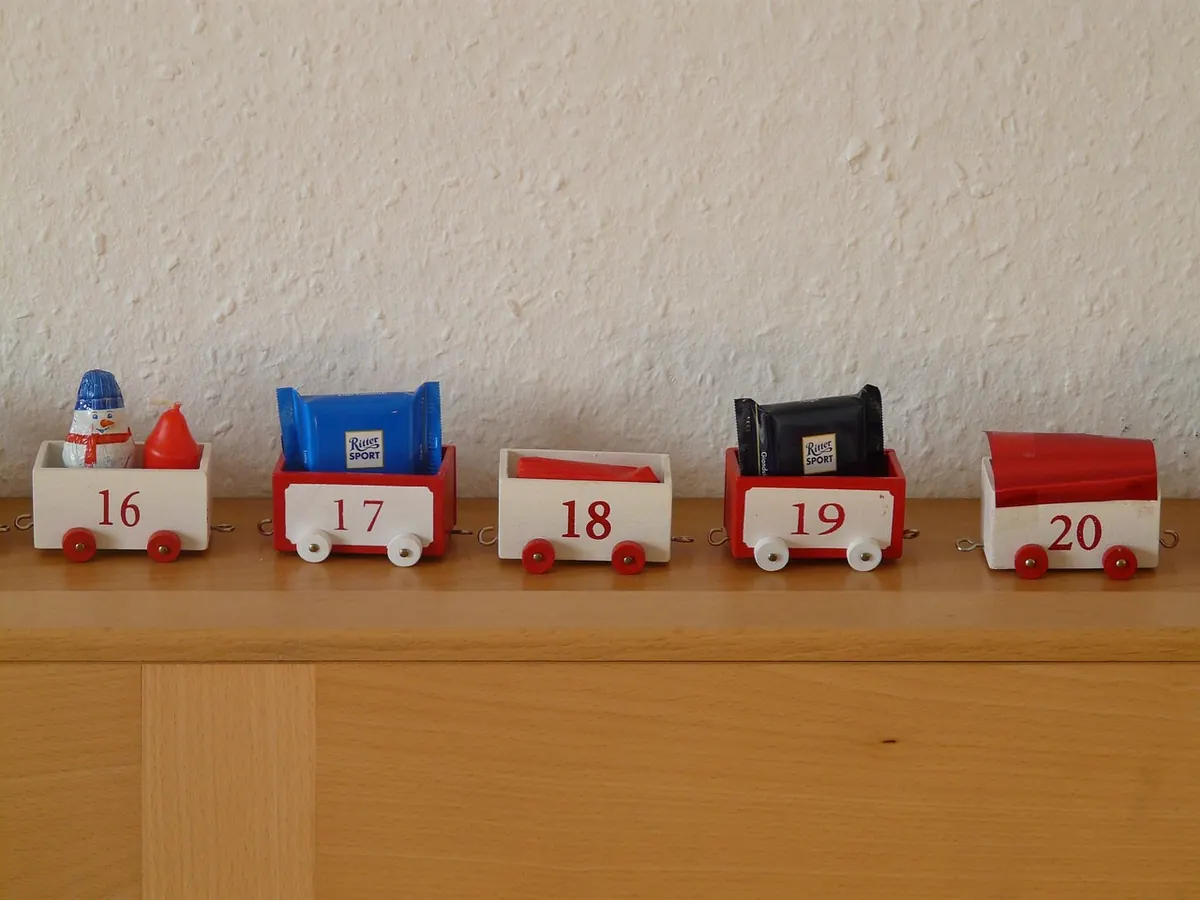
How to decorate floating shelves for Christmas safely: check the fixings, estimate a rough load per shelf, and...
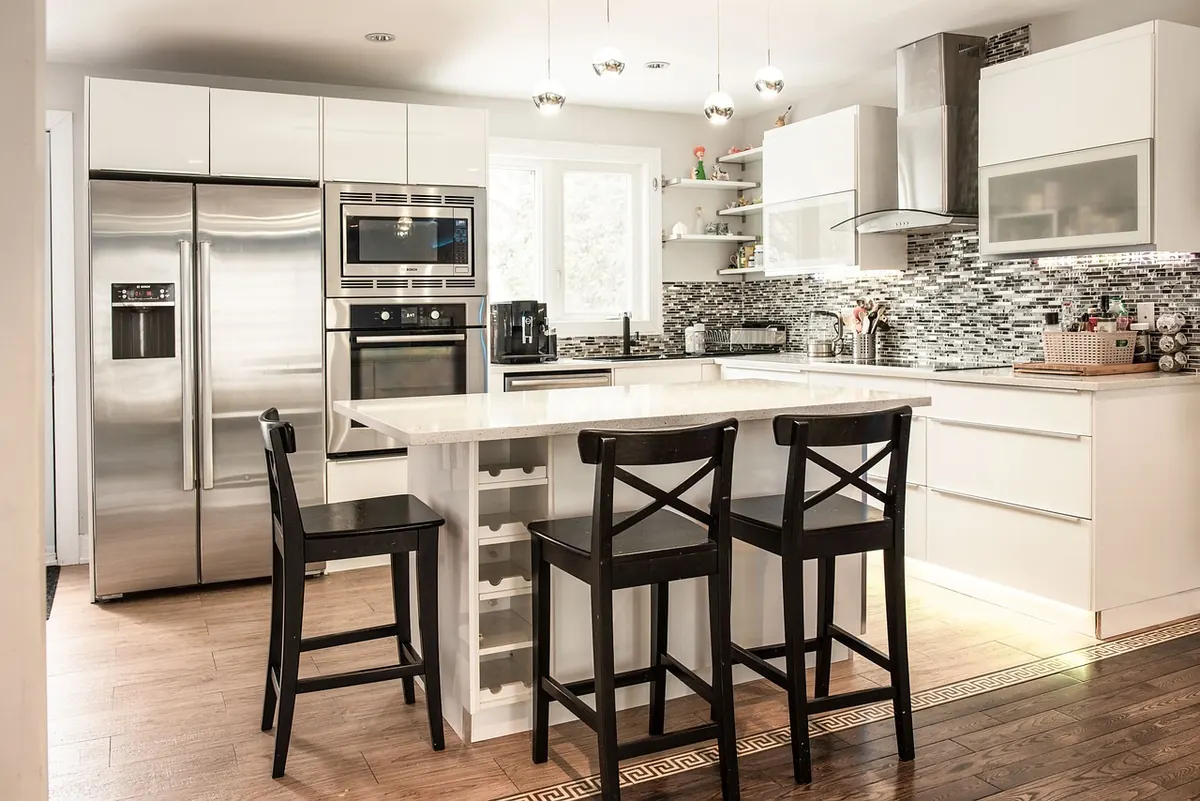
Open shelving and closed cabinets suit different kitchens. This comparison looks at dust, grease, access and visual...
Copyright © 2026 Mesa Shelf. All Right Reserved.