Decorating Floating Shelves for Christmas Without Exceeding Their Weight Limit
October 08, 2026 - Home Decor
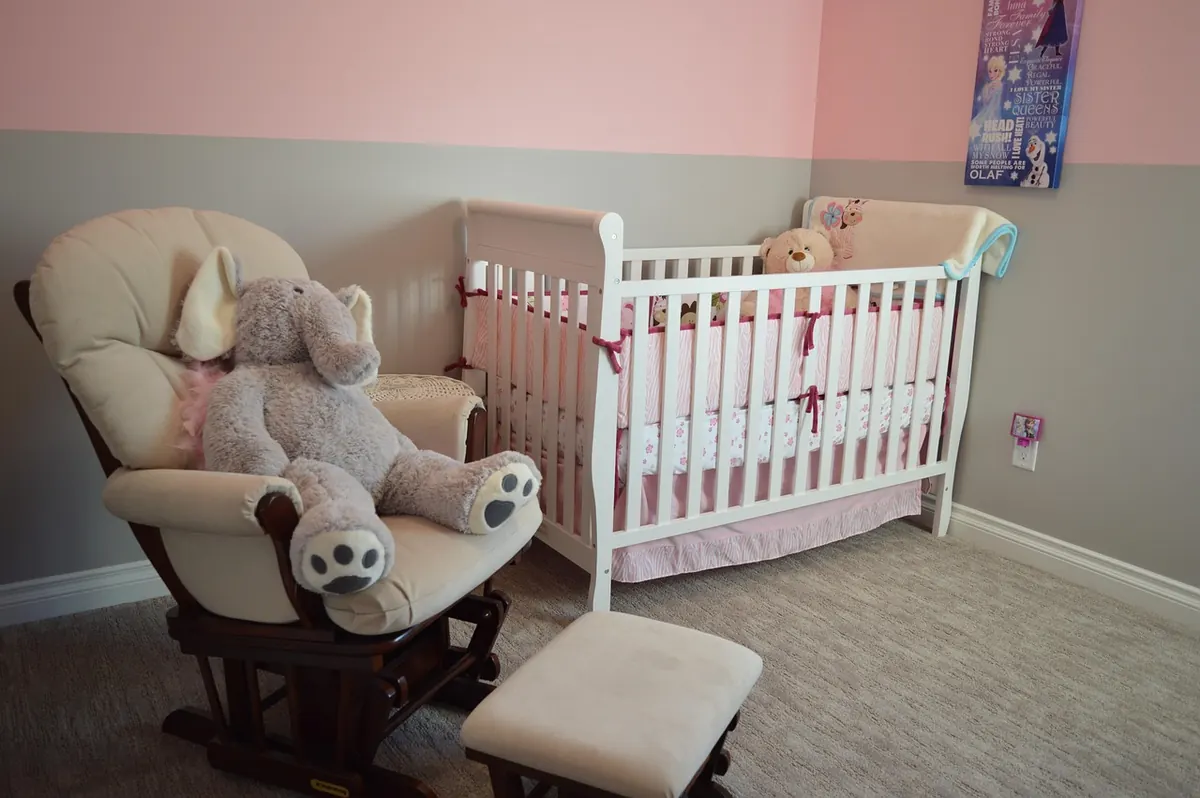
A leaning tower of paperbacks looks charming until a three-year-old decides to climb it. If you rent, you may have put off anchoring your bookcase because drilling the wall feels like a deposit-losing move. It does not have to be. There are several ways to make a tall bookcase stable in a rented home, and most of them take under half an hour. Work through the options below, starting with the fixings that hold best and finishing with the ones you can peel off before you hand back the keys.
Furniture tip-overs send thousands of children to hospital every year, and bookcases are a common culprit because they are tall, narrow and top-heavy once loaded. The good news is that a few pounds of hardware and twenty minutes of your time can remove almost all of the risk. You do not need to be a DIY expert, and you do not need to leave permanent scars on your landlord's walls.
Five minutes of measuring and poking saves a wasted trip to the DIY shop. You need to know three things.
As a rough guide, anything taller than waist height deserves anchoring, particularly in a bedroom or playroom. If you are unsure about the wall, ask a handyman or your landlord rather than guessing. A single missed stud can mean the difference between a secure strap and a useless screw in crumbling plaster.
A furniture restraint kit — sometimes sold as an anti-tip strap — is a short webbed strap or pair of metal brackets that joins the back of the bookcase to the wall. Kits cost very little and usually include the brackets and screws. For a wide unit, use two straps, one at each side. Think of it as a seatbelt for your shelves: it does not stop the bookcase from wobbling, but it stops it from falling on someone.
Yes, this means small screw holes in your landlord's wall. Two per strap, plus a couple in the bookcase. Filled and touched up with matching paint, they are usually invisible at the end of a tenancy. If you are worried about matching the paint, take a flake of paint from a hidden corner to the DIY shop and get a tester pot mixed.
Tenancy agreements often require permission before you alter the property. Ask in writing, explain that it is a child safety measure, and keep the reply. Most landlords would rather approve two screw holes than deal with a claim.
Some landlords say no. Some walls — single-skin plasterboard, or a stud wall where the studs fall in the wrong place — make a clean fixing awkward. You still have choices, though none is quite as reliable as a screwed strap. Treat these as layers of protection rather than a single magic bullet.
Balance matters as much as fixings. A bookcase with heavy books at the bottom and lightweight items up top is far more stable. Put the heaviest volumes on the lowest shelf, and avoid storing anything heavy above the top third of the unit. If you have a tall unit, consider using the top shelf for lightweight decorations only, or leaving it empty. A bookcase that is bottom-heavy will resist a surprising amount of pulling and tugging before it even thinks about tipping.
Also think about how you arrange the shelves. Pulling a single large book from a tightly packed top shelf can shift the centre of gravity, especially if the bookcase is already on the light side. Leave a little breathing room between books so they slide out easily, but not so much that the shelves look empty and inviting to a climber. If you have open shelves, avoid stacking toys or enticing objects on the higher levels; a favourite teddy on the top shelf is an open invitation to climb.
Anchoring the bookcase is only half the job. The contents can also be dangerous if they fall. Heavy books, glass ornaments and sharp-edged photo frames can all cause injury even if the unit itself stays upright. A few simple changes make the whole thing safer.
Photo: ErikaWittlieb / Pixabay
How to decorate floating shelves for Christmas safely: check the fixings, estimate a rough load per shelf, and...
Open shelving and closed cabinets suit different kitchens. This comparison looks at dust, grease, access and visual...
Copyright © 2026 Mesa Shelf. All Right Reserved.