Decorating Floating Shelves for Christmas Without Exceeding Their Weight Limit
October 08, 2026 - Home Decor
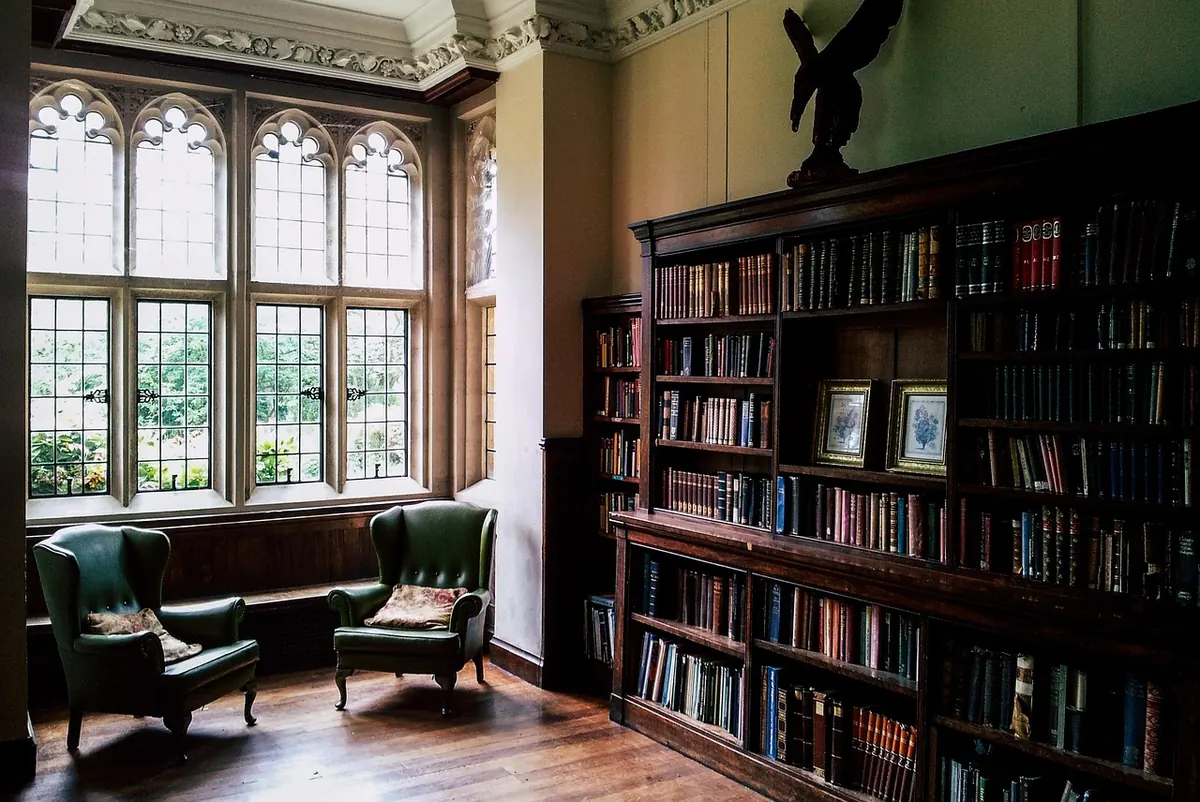
A Victorian terrace flat asks a lot of its storage. The hall is a corridor built for hats and gas lamps. The alcoves beside the chimney were sized for a dresser and a coal scuttle, not for a printer, a vacuum cleaner and a serious book habit. And on the upper floor of a converted terrace, the ceiling can come down to meet you.
None of that means living out of stacked boxes. It means working with slim depths, fixed heights and the shapes the building already gives you. Shelving is the simplest way to add storage to a period flat — but only if it fits the room you actually have, not the one in the catalogue.
Most shelving mistakes come from measuring the wall instead of the space in front of it. In a Victorian flat, the things that get in the way are rarely the walls themselves. They are the skirting, the picture rail, the cornice, the radiator pipe that runs up the corner, and the slight lean of a hundred-and-fifty-year-old chimney breast.
Hallways in terraces are usually too narrow for anything that stands on the floor, so the storage has to go up the wall. A run of shelves just 15cm deep gives you space for post, keys, spare bulbs, dog leads and a torch, without stealing width from the walkway. In a corridor under a metre wide, that difference is everything.
Keep the lower half clear. Hooks at chest height for coats and bags, a shallow bench or a pair of low baskets for shoes, then shelves starting above shoulder height where nobody bangs their head. If the hall is dark, consider a shelf with a slim under-shelf light, or leave a gap in the run and hang a mirror instead — reflections do more for a narrow space than extra shelf space ever will.
The recesses either side of a chimney breast are usually only about 25–35cm deep, which is why standard wardrobes and bookcases never quite work. They are, however, ideal for built-in shelving. Set the shelves inside the alcove rather than across the front of it, and the room keeps its proportions while gaining a full-height store.
Three details make the difference:
Where the ceiling is low, height is a luxury and length is not. Rather than one tall bookcase, use a long, low run along a wall that has nothing else to offer, and put single shelves in the dead band above doorways — a space most flats waste entirely.
Under-stair cupboards, the void beside a boxed-in boiler and the strip above a fridge are all worth a measured look. In a low room, visual weight matters as much as volume: open shelves packed to the ceiling make a room feel lower, while a single long shelf with a few carefully chosen things on it does the opposite. Paint the shelf the same colour as the wall and it will almost disappear.
Deeper than that and you are storing dust. A 40cm shelf in a narrow room simply gives you a ledge for things to be pushed to the back of and forgotten.
Painted MDF gives the crisp, built-in look that alcoves suit, and it takes colour well. Solid timber — pine, ash, oak — is warmer and can be sanded back when it marks, but it moves with the seasons, so allow a little room at the ends. Powder-coated steel brackets and slim uprights are worth considering in hallways, where they intrude less. Glass shelves let light through in a dark corridor, though they show every fingerprint and need proper support.
Victorian internal walls are often lath and plaster over studwork, which holds almost nothing on its own. External and party walls are usually solid brick, which is stronger but crumbles if you drill without care. The reliable method is to screw a timber batten into the studs or brick, then fix brackets to the batten — the load is spread and you only have to find solid timber once.
Keep supports close together. As a rough guide, an 18mm shelf carrying books will sag if it spans much more than 60–70cm without support, so add an upright or a bracket at the midpoint of long runs. Use a masonry bit on brick with the hammer action off until you are through the plaster, and always wear eye protection.
You do not need to solve the whole flat in one weekend. Pick the worst-behaved space — usually the alcove beside the fireplace or the hallway by the front door — and do that properly. Measure, mark your height bands, fix the battens, then build the shelves around what you actually own rather than what you might own one day.
Live with it for a month before starting the next one. You will quickly learn whether you need more shallow shelves or fewer deep ones, and that knowledge is worth more than any plan drawn up on paper. If you rent, check your tenancy agreement before fixing anything substantial to the walls, and speak to a qualified tradesperson about anything structural, electrical or gas-related.
Photo: wal_172619 / Pixabay
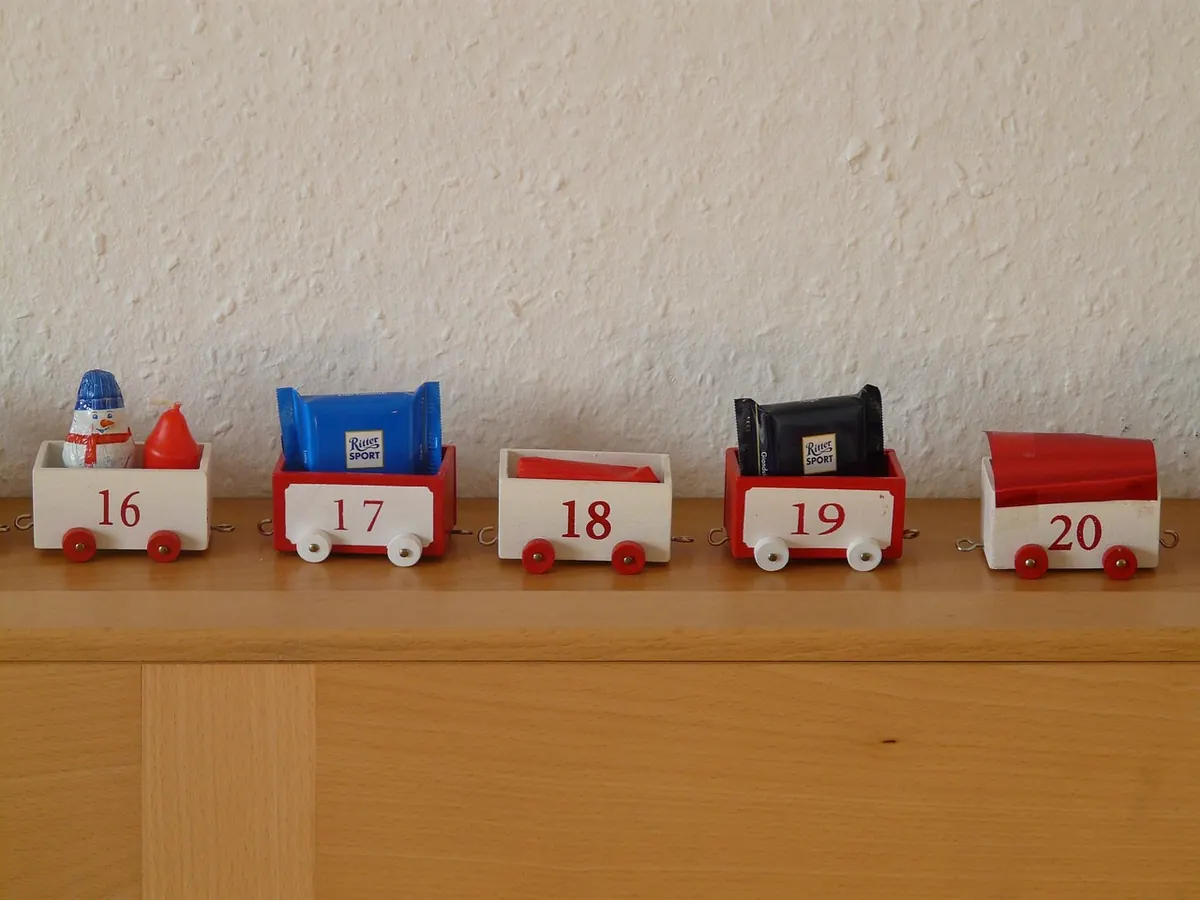
How to decorate floating shelves for Christmas safely: check the fixings, estimate a rough load per shelf, and...
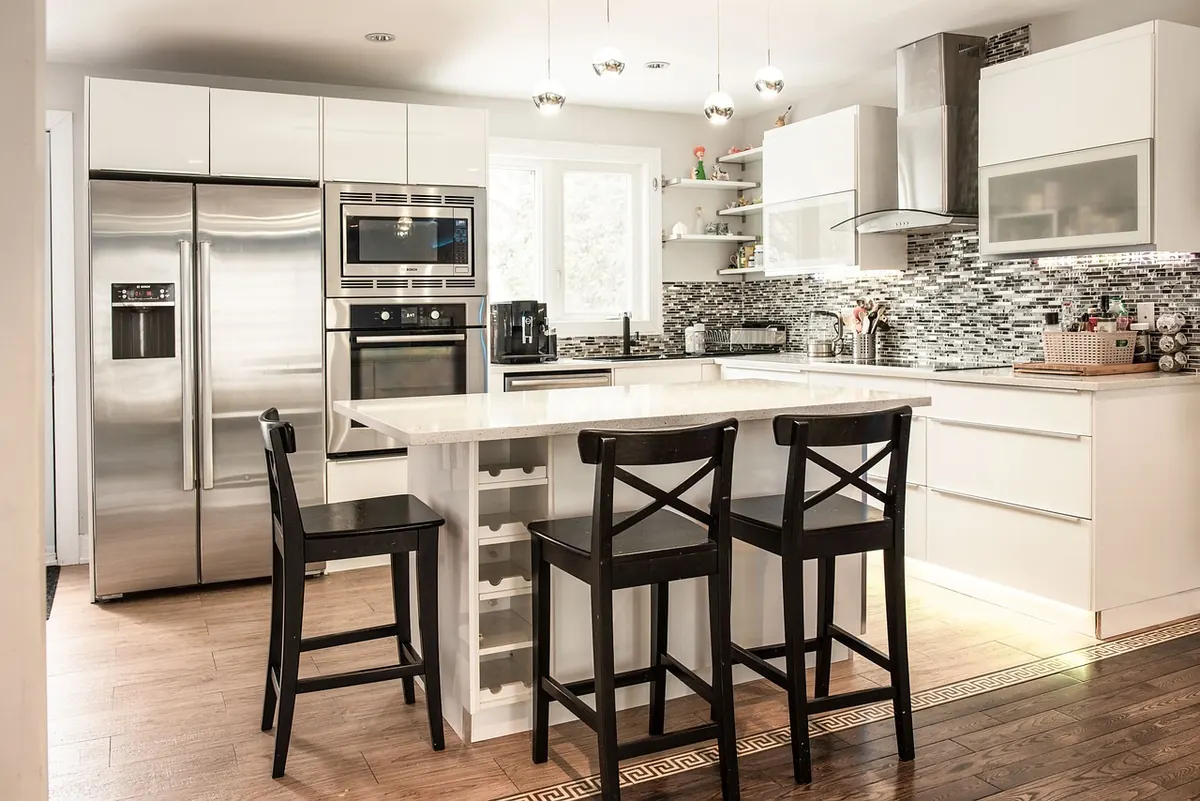
Open shelving and closed cabinets suit different kitchens. This comparison looks at dust, grease, access and visual...
Copyright © 2026 Mesa Shelf. All Right Reserved.