Decorating Floating Shelves for Christmas Without Exceeding Their Weight Limit
October 08, 2026 - Home Decor
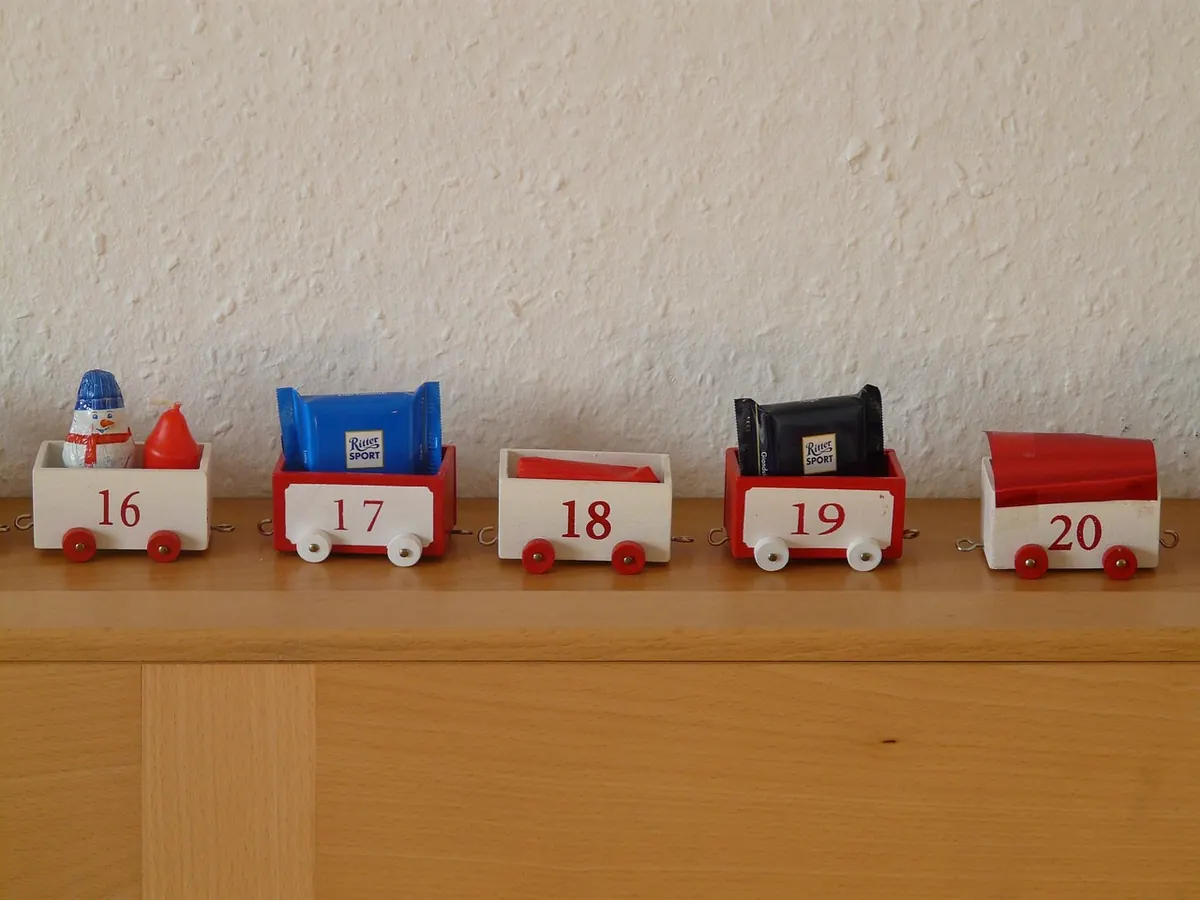
Floating shelves work hard all year, holding books, plants and the small objects that never found a proper home. At Christmas they become the best display space in the room: the mantelpiece is already full, the windowsill is taken, and a shelf at eye level is exactly where a garland and a few baubles want to be. The catch is that a floating shelf hides its fixings behind the plaster. You cannot see whether it has two brackets or four, or whether it is screwed into a stud or clinging to plasterboard plugs. So the decorating has to start with a simple question: how much can this shelf really take?
Find the manufacturer's stated load limit if you can. It is usually on the packaging, in the fitting instructions or on the retailer's product page. Treat that number as an absolute maximum for a shelf fixed correctly into a solid wall, not as a target to fill. A shelf that has been up for years, or was installed by someone else, deserves more caution: fixings loosen, plasterboard crumbles and brackets bend under a load they were never meant to hold.
Give it a gentle test. Press down lightly on the front edge with one hand and watch where the shelf meets the wall. A little flex across a long span is normal. A visible gap opening up, a creak, or movement at the bracket is not. If you find any of those, either refit the shelf before decorating or keep your plans to a handful of very light pieces arranged along the back. Where there is no stated limit, assume it is a display shelf rather than a bookshelf: a vase, a candle and a few small ornaments, nothing more.
You do not need laboratory precision. You need a rough total, because that is what reveals the problem — a shelf you think is carrying 3kg that is actually carrying 8kg.
A floating shelf is a lever. The further a weight sits from the wall, the more leverage it puts on the fixings, which is why the front edge and the outer ends are the weakest places to load. Keep the heavy pieces inboard, close to the wall and near the brackets. Leave the outer 10cm or so for things that weigh almost nothing: a couple of small ornaments, a ribbon bow, a line of cards.
Spread the load along the shelf rather than piling it in one place. Two modest clusters look more considered than one dense heap, and they stress the shelf far less. Resist the temptation to top a stack of books with a pot, a candle and a wrapped box; that is a heavy column standing on a lever. Avoid hanging anything from the front edge on wire, too, which concentrates the strain on a single point.
Real foliage looks superb and dries out within days, dropping needles onto the shelf and, if the shelf sits above a radiator, going crisp even faster. Plain artificial garlands with a wire core are light and forgiving, but check the weight of pre-lit versions: a long, thick, densely wired garland can be heavier than everything else on the shelf put together.
Buy the garland and the lights separately. A slim plain garland with its own string of small fairy lights is easier to arrange, easier to store and noticeably lighter than an all-in-one. Attach it with florist wire, clear elastic or small cable ties rather than letting it hang behind the decorations.
If you want a garland to trail down the side of
Photo: Hans / Pixabay
Open shelving and closed cabinets suit different kitchens. This comparison looks at dust, grease, access and visual...

How to fit slim, practical shelving into UK Victorian flats — measuring awkward alcoves, narrow hallways, low...
Copyright © 2026 Mesa Shelf. All Right Reserved.