Decorating Floating Shelves for Christmas Without Exceeding Their Weight Limit
October 08, 2026 - Home Decor

Shelves earn their keep twice over. They hold the things you reach for daily, and they change how a wall reads — tidy, deliberate, lived-in. When you are choosing between floating and bracketed shelves, the decision usually comes down to four practical things: looks, cost, weight capacity and installation effort. Those four weigh differently depending on the room, so it helps to work through them one at a time.
A floating shelf hides its fixings. Inside the shelf there is either a hollow recess that slides over a metal rod, or a timber batten fixed to the wall with the shelf built around it. From the front you see a clean board and nothing else. The load travels from the shelf into the hidden fixing, then into the wall.
A bracketed shelf makes no such promises. Brackets are screwed to the wall, the shelf sits on top and is usually screwed down through the bracket. You can see the brackets, or — with slim ones on a deep shelf — mostly forget about them. The load path is obvious and, crucially, adjustable. Brackets can be shimmed, moved or swapped without throwing the shelf away.
Floating shelves suit rooms where you want the objects to do the talking. In a small living room or a narrow hallway, the absence of brackets removes visual noise and keeps the wall feeling open. Stack two or three at even spacing and they look intentional in a way bracketed shelves rarely manage.
The catch is that floating shelves are unforgiving. There is no bracket to distract the eye from an uneven gap, and no way to nudge the height once the rod is in. If your wall is out of true — common in older British houses — the shelf will show it. Bracketed shelves can be packed out slightly at the fixing points to sit level.
Brackets have their own charm, too. Chunky timber or cast-iron brackets bring character to a utility room, pantry or workshop, while slim steel L-brackets almost vanish in a dark alcove.
For a single shelf over a desk, the difference is small. Across a whole alcove of shelves, bracketed usually comes out cheaper, which leaves budget for better timber or a nicer bracket.
Ask what the wall is made of before you ask what the shelf is made of. Solid masonry with proper plugs and screws will carry far more than plasterboard on its own. Stud walls are fine if you hit the timber; the trick is finding it, and a stud finder or a series of small test holes behind the skirting will tell you where you stand.
As a general guide, a hollow floating shelf fixed into two studs or sound masonry will take a row of paperbacks, a few jars or a line of small plants. Solid timber floating shelves carry more, but they are heavier to fit and cost more. Long spans sag, so support weighty runs roughly every 500–600mm and avoid a metre of unsupported board loaded with cookbooks.
Bracketed shelves are the forgiving option. Mark your heights, level across, drill, plug, screw the brackets on, then fix the shelf. Small errors disappear because brackets sit slightly proud and can be shimmed. Budget an hour for a pair, more if you are chasing studs.
Floating shelves demand accuracy. The rod or batten must be dead level and set at the right depth, or the shelf will not slide on properly or will sit proud of the wall. Drilling a rod into masonry means precise hole depth, and any wobble shows. It is a two-person job for anything longer than 90cm, and a spirit level is not optional.
Before drilling anywhere, check for cables and pipes. If you are unsure what is behind the plaster, or the shelf needs to carry real weight, a qualified fitter is money well spent.
Floating shelves win here. Alcoves, chimney breasts and the wall beside a sofa all suit a clean line, and a pair of shelves at 35–40cm deep holds books, frames and a speaker without clutter. Choose bracketed if you are loading the shelf with vinyl or a full run of hardbacks, or if the wall is unreliable.
Floating shelves look calm above a worktop, but think about cleaning: keep them clear of the hob to avoid a film of grease, and leave enough height to lift a kettle underneath. Bracketed shelves cope better with cast-iron pans, a stack of cookbooks and heavy jars. If you want the floating look near the cooker, keep that run for oils, mugs and dry goods only.
A floating shelf at 25–30cm deep makes a neat bedside surface where a table will not fit, holding a lamp, a glass of water and a couple of books. Fix it into studs or masonry, and keep the cable tidy by drilling a small hole through the shelf or routing it behind. Bracketed shelves are the better choice for a heavy lamp and a pile of hardbacks.
Narrow hallways reward shallow floating shelves — 20cm is plenty for keys, post and a small basket. Bracketed shelves suit a boot room or porch where you want to stack shoe boxes and bags; a sturdy bracket takes knocks that would loosen a floating fixing over time.
Get those five points right and either type will serve you for years. Floating shelves buy you a cleaner wall; bracketed shelves buy you forgiveness, capacity and the freedom to change your mind.
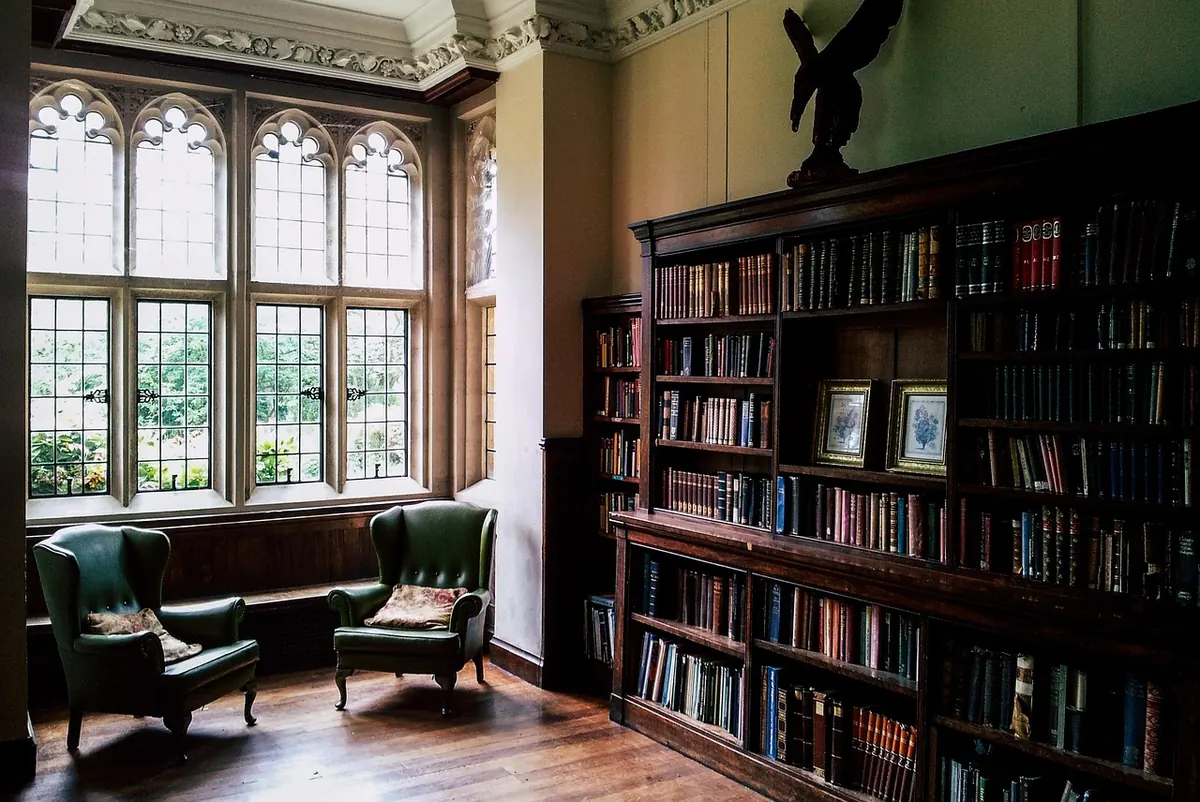
Photo: GladisAbril / Pixabay
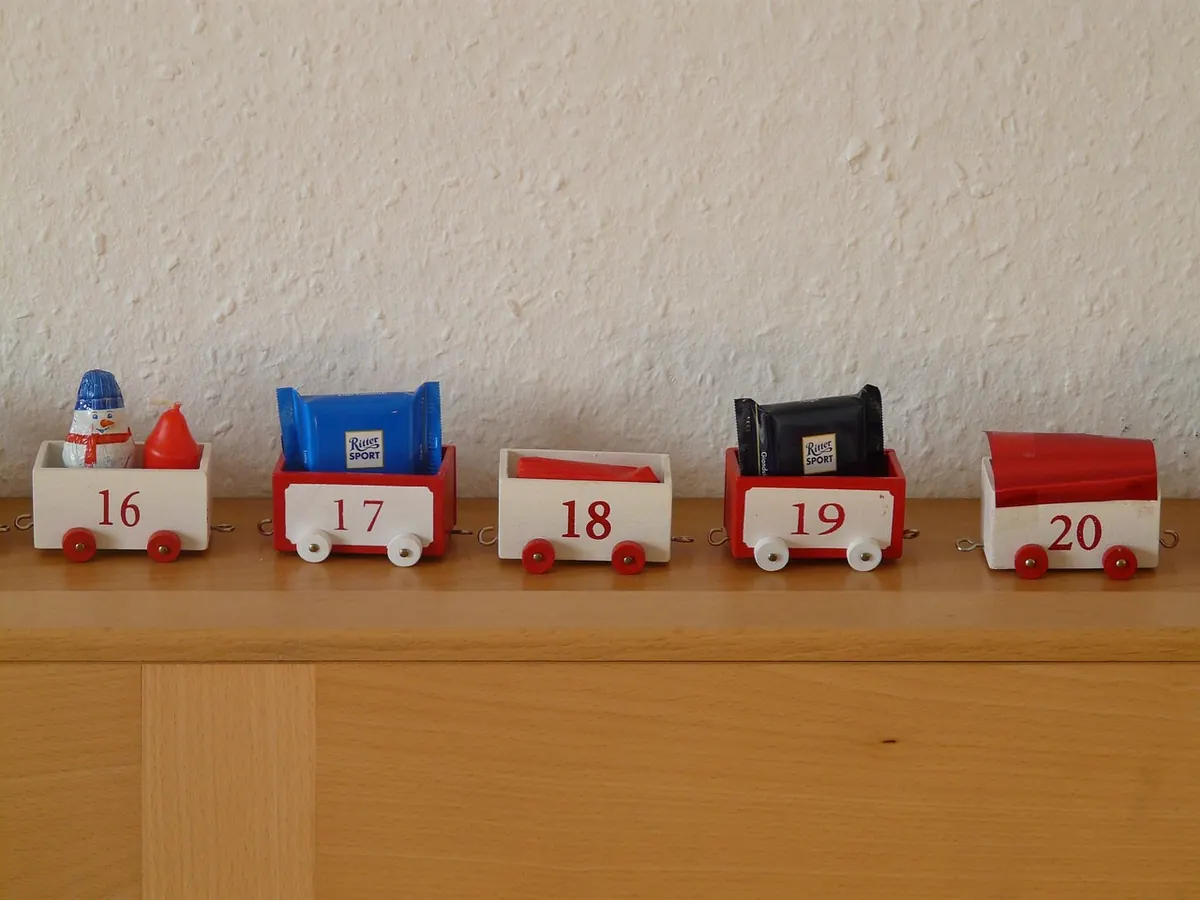
How to decorate floating shelves for Christmas safely: check the fixings, estimate a rough load per shelf, and...
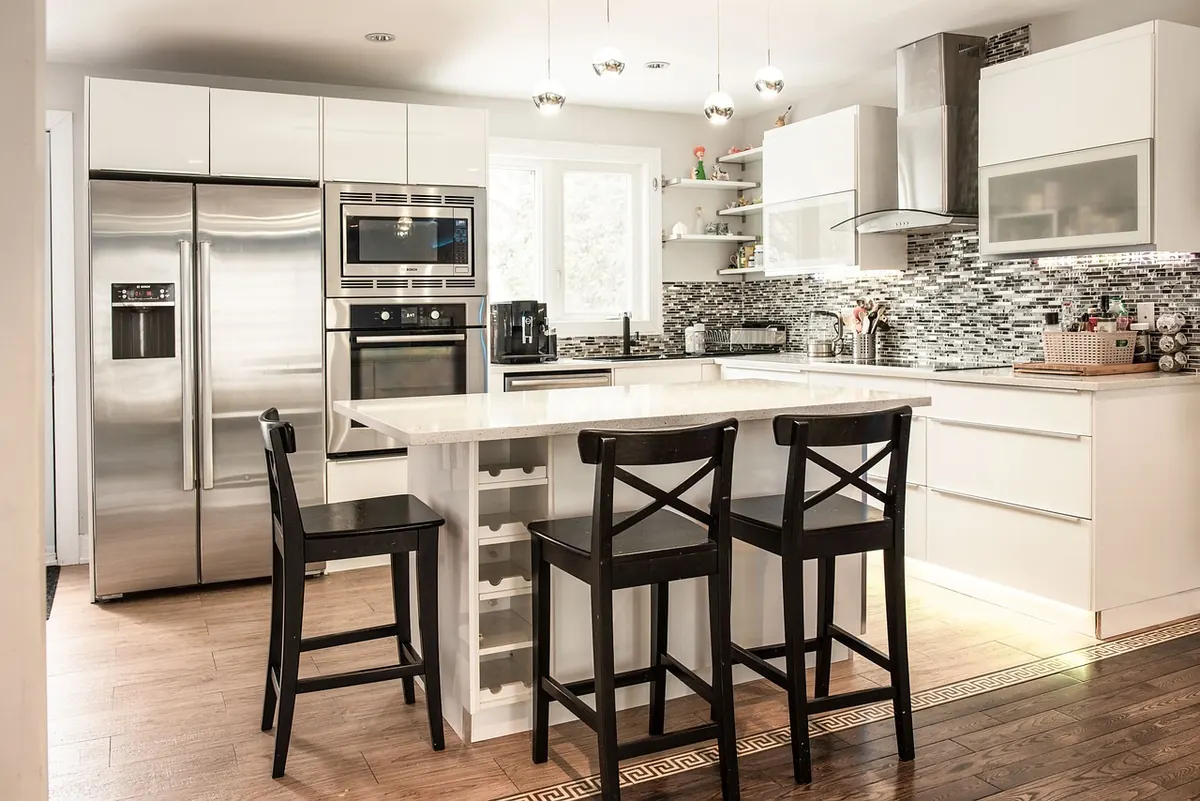
Open shelving and closed cabinets suit different kitchens. This comparison looks at dust, grease, access and visual...
Copyright © 2026 Mesa Shelf. All Right Reserved.